
Reviewed · GOBI DESERT TOURS
8 Day Great Gobi and Central Mongolia
Mongolia rewards people who can handle long roads. This 8-day Great Gobi and Central Mongolia tour packs desert, mountains, monasteries, rivers, and village life into one private trip from Ulaanbaatar. I like the range of experiences, especially the camel ride, horse ride, hiking, and traditional meals. I also like the route’s mix of famous sights and quieter stops, from the singing dunes to the Orkhon Valley.
The main thing I would consider is the amount of driving. Roads can be rough and unpaved, and the first day to Tsagaan Suvarga is especially long. This is not a relaxed city break, but it is a practical choice if you have only a week and want a broad taste of Mongolia without arranging each transfer yourself.
In This Review
- Key points to know before booking
- What the $1,480 price really buys
- Day 1: Tsagaan Suvarga begins with a long haul
- Day 2: Yoliin Am and the Gobi Gurvansaikhan range
- Day 3: Khongoriin Els, Mongolia’s singing dunes
- Day 4: Bayanzag, then the ruins of Ongi Monastery
- Day 5: Orkhon Waterfall changes the scenery
- Day 6: A slower day in the Orkhon Valley
- Day 7: Erdene Zuu and old Kharkhorin
- Day 8: Elsen Tasarkhai and Övgön Monastery
- Roads, riding, and the pace of the trip
- Meals, ger accommodation, and communication
- Who should book this Mongolia route?
- Should you book the Great Gobi and Central Mongolia tour?
- FAQ
- How long is the Great Gobi and Central Mongolia tour?
- What is the price per person?
- Is pickup available?
- Where does the tour end?
- Is this a private tour?
- Which meals are included?
- Are drinks and snacks included?
- What activities are included?
- Can I cancel for a full refund?
Key points to know before booking
- A private eight-day route: Only your group participates, giving you a more personal schedule than a large coach tour.
- Two very different Mongolias: You move from the southern Gobi’s dry rock and sand to the greener river country of Central Mongolia.
- Real riding opportunities: Horse riding appears in the Orkhon Valley, while camel riding is part of the Gobi experience.
- Long, rough drives: The route covers major distances, and road conditions can make some days tiring.
- Useful meal coverage: Eight lunches and seven breakfasts are included, along with six dinners, but snacks, drinks, and some dinners cost extra.
- Strong communication: Jagaa is the named contact, and direct WhatsApp communication was praised for quick replies and trip-planning help.
What the $1,480 price really buys
At $1,480 per person, this tour is not a cheap hop between sights. You are paying for a private eight-day route across a large part of Mongolia, with pickup offered, most daytime meals, several entrance tickets, local activities, and the practical help needed on a road-heavy trip.
The value depends on how you travel. If you tried to arrange a private vehicle, driver, guide, meals, and rural stays separately, the pieces would take time to coordinate. Here, the route links the Gobi with Central Mongolia, then returns you to the same meeting point in Ulaanbaatar. That convenience matters in a country where distances are large and road travel is rarely quick.
The tour includes eight lunches, seven breakfasts, and six dinners. That is generous daytime coverage, but do not read it as every meal being paid for. Alcohol, beer, snacks, and service tips are not included. Two dinners are also not listed among the included meals, so keep room in your budget for extras.
The private format is another part of the price. You are not placed into a large group, and only your own party takes part. That can be especially useful if you are traveling with a child, have a preferred pace, or want a little more control over stops. It does not remove the rough roads, but it can make the long days easier to manage.
More Gobi Desert trips from Ulaanbaatar:
- From Ulaanbaatar: Semi Gobi and Ancient Kharkhorin Tour
★ 4.5 · 114 reviews - Ulaanbaatar: Semi-Gobi Desert Day Trip & Camel Ride
★ 4.0 · 92 reviews - 1 Day Semi-Gobi All-included tour
★ 4.0 · 69 reviews
Day 1: Tsagaan Suvarga begins with a long haul
The opening drive to Tsagaan Suvarga sets the tone. The road can be slow, and the day is described as a long one because of the conditions. You should begin this tour ready for time in the vehicle rather than expecting an immediate sightseeing stop.
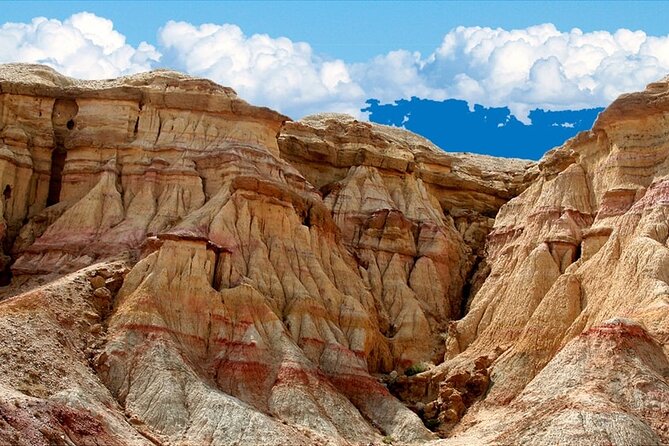
Tsagaan Suvarga is a colorful limestone formation, about 30 to 60 meters high and roughly 400 meters long. Its layers were once part of an ocean bed, giving the site a useful geological story as well as striking shapes and color.
This first stop works best as an introduction to the Gobi’s scale and dryness. The drawback is simple: after the long drive, you may have limited energy for anything beyond seeing the formation and settling in. Pack water, snacks, and anything that helps you stay comfortable between stops, since snacks are not included.
Day 2: Yoliin Am and the Gobi Gurvansaikhan range
After breakfast at a ger hostel, you head toward Yoliin Am, also called Lammergeier Valley. The valley is a deep, narrow gorge in the Gurvan Saikhan Mountains of southern Mongolia, a welcome change from the open rock and desert views of the first day.
This is one of the route’s strongest contrasts. The Gobi is not only sand and bare ground. A narrow mountain gorge brings a different sense of scale, with walls close enough to make walking feel sheltered and focused. Hiking is part of the tour’s advertised mix, and Yoliin Am is the natural place to expect a walk.
The itinerary allows a full day for the Gobi Gurvansaikhan National Park stop. That gives you more breathing room than the first driving day, though the exact walking time is not specified. Wear shoes suitable for uneven ground and bring layers. Mountain conditions can feel different from the desert, and the tour requires good weather.
Day 3: Khongoriin Els, Mongolia’s singing dunes
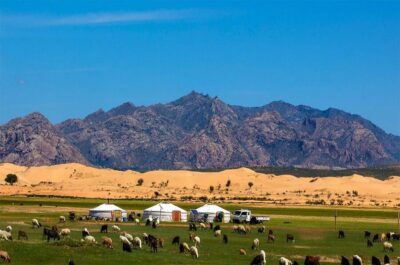
On the third day, you drive to Khongoriin Els, known as the singing dunes. They are described as Mongolia’s largest sand dunes, reaching about 200 meters high and stretching roughly 12 kilometers wide.
This is the classic Gobi image, but the scale gives it more weight than a quick photo stop. Sand rising that high changes how you read the horizon. You can expect a day focused on open views, walking, and the desert’s unusual sound and texture.
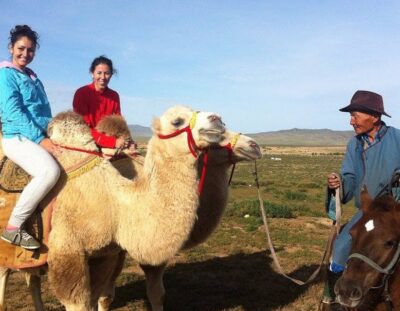
The camel ride belongs to the Gobi section of the trip, and Khongoriin Els is the natural setting for it. A camel ride offers a slower way to see the dunes than a vehicle, while also connecting the scenery with a traditional form of local travel. The description does not state how long the ride lasts, so ask for the day’s timing before you start.
The practical catch is sand. Climbing or walking on dunes takes effort, and the sun can make a short outing feel longer. Bring a hat, water, and closed footwear. You will also want your camera ready, because this is likely to be one of the most memorable visual stops.
More Central Mongolia trips from Ulaanbaatar:
- From Ulaanbaatar: Central Mongolia Guided 3-Day Tour
★ 4.6 · 186 reviews - Ulaanbaatar: Small Group 3-Day Best of Central Mongolia Tour
★ 4.1 · 171 reviews - Central Mongolia Guided 3-Day Comfortable Tour
★ 4.5 · 37 reviews - 4 Day Best of Central Mongolia tour, Chinggis Khan statue
★ 4.8 · 21 reviews
Day 4: Bayanzag, then the ruins of Ongi Monastery
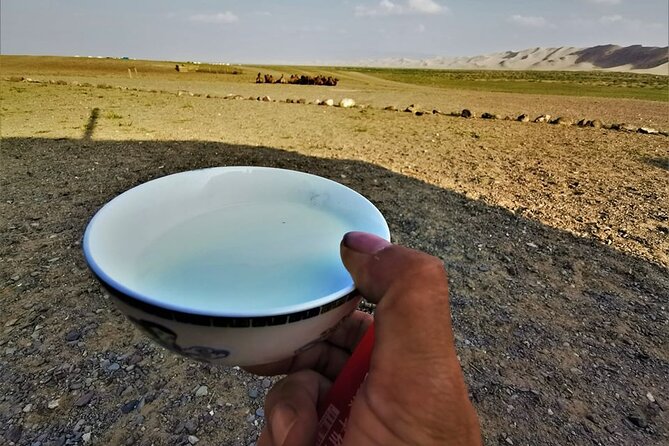
Day four links Bayanzag with Saikhan Ovoo and Ongi Monastery. The schedule says you have lunch in Bayanzag before driving onward to the small village of Saikhan Ovoo in Middle Gobi Province. The listed duration is about eight hours, so this is another travel-heavy day.
Bayanzag is often associated with the Gobi’s red rock scenery, though the supplied details do not give a full description of the stop. Treat it as a useful break in the route rather than assuming a long guided visit. After lunch, the road continues to Ongi Monastery.
Ongiin Khiid, also called the Ongi Monastery ruins, is described as a small active monastery with a temple. That combination matters. You are not only seeing remains of an old religious center, but also a living place of worship.
The stop gives the trip a cultural turn after several days of natural sights. At the same time, the eight-hour duration means you should keep expectations realistic. This is not a day of leisurely museum visits. It is a cross-country travel day with a meaningful stop along the way.
Day 5: Orkhon Waterfall changes the scenery
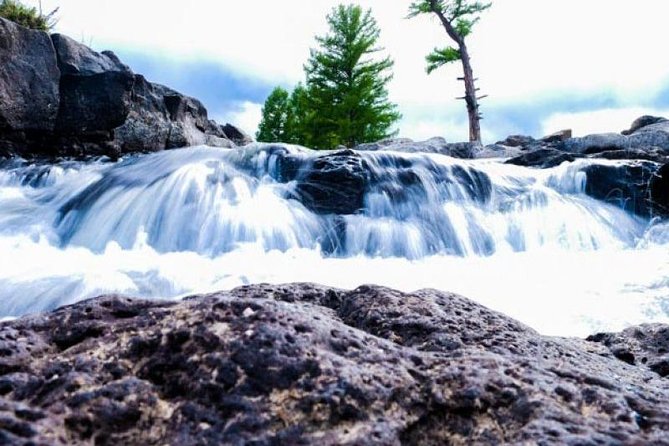
The route now leaves the southern desert and heads toward Orkhon Waterfall. The waterfall is on the Ulaan Tsutgalan River, close to the Orkhon River, and is described as about 10 meters wide and 20 meters high.
The change in scenery is the point. After rock, dust, and dunes, a river and waterfall make Central Mongolia feel like another country. I like this transition because it prevents the tour from becoming a single-theme desert trip.
The day is listed at about 12 hours, which likely includes driving and time at the falls. You should plan for a full day rather than a short visit. The waterfall itself is a popular stop, so it may be one of the busier points on the route, but the long travel time still keeps the overall feel outdoors and spacious.
An included entrance ticket removes one small cost, though it does not change the need for sensible footwear. Paths around natural sites can be uneven, and the itinerary does not specify the walking conditions.
Day 6: A slower day in the Orkhon Valley
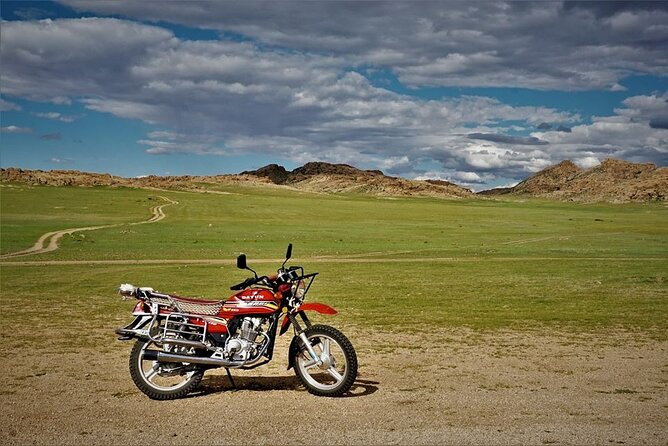
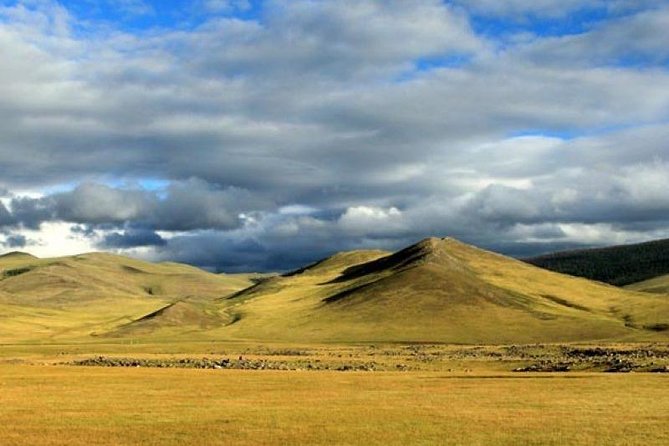
Day six is labeled a resting day in the Orkhon Valley. After several long drives, that pause is important. You spend time walking beside a river and ride a horse, giving you a more local and physical connection to the area.
This may be the day that makes the itinerary feel less like a checklist. Horse riding in the valley is not just another photo opportunity. It lets you move at a pace suited to the open countryside and gives you a break from the vehicle.
The schedule still shows about 12 hours, but the description calls it a rest day. That suggests the length may cover the full day available rather than twelve hours of continuous activity. Confirm the riding duration and daily plan with Jagaa before departure if this is a major reason for booking.
The tour’s horse and camel activities are valuable because they are tied to the places you visit. You are not simply adding a generic activity to a sightseeing route. You are using traditional forms of transport in two very different parts of Mongolia.
Day 7: Erdene Zuu and old Kharkhorin
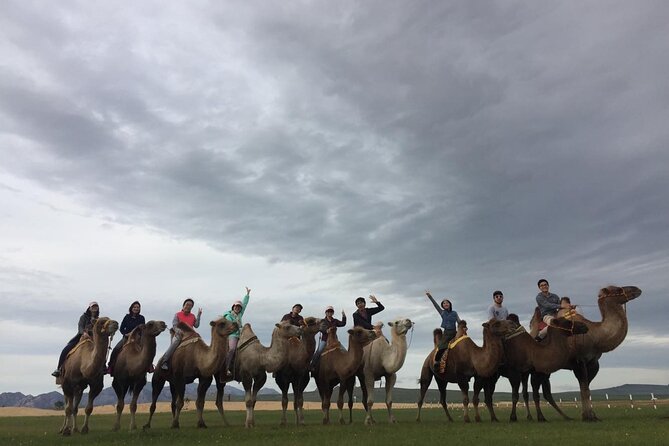
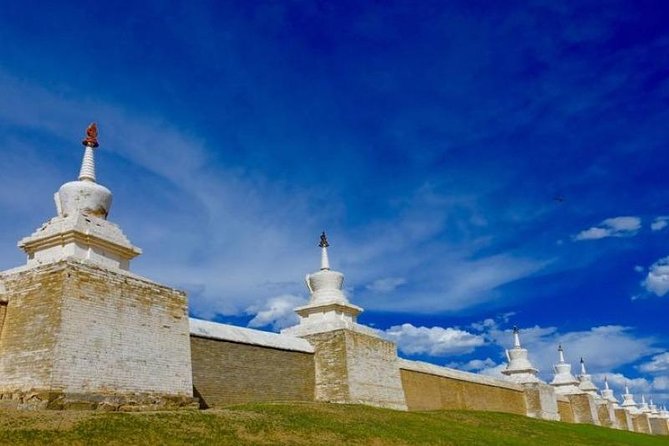
Day seven brings two major cultural stops: Erdene Zuu Monastery and Kharkhorin, the old capital.
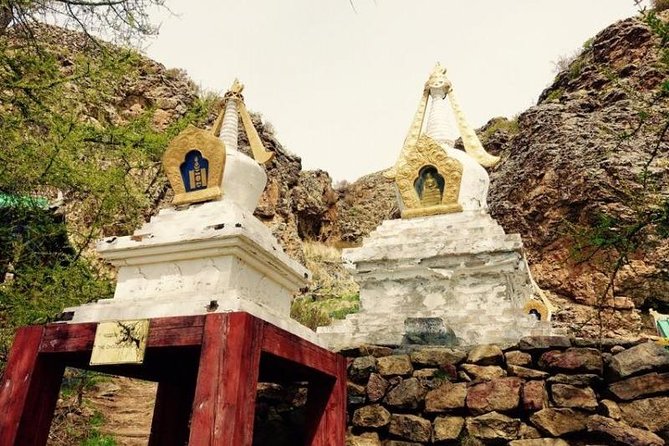
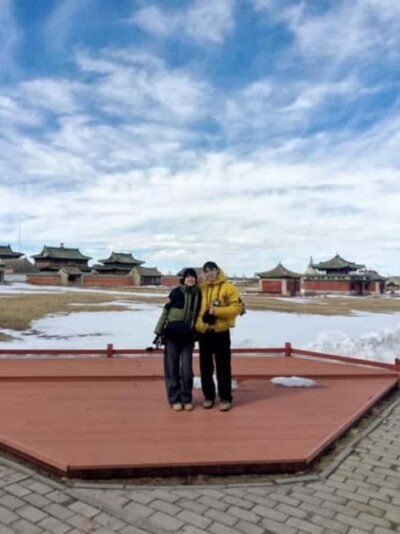
Erdene Zuu was ordered in 1585 by Abtai Sain Khan, the grandfather of Zanabazar, after a meeting with the Third Dalai Lama and the declaration of Tibetan Buddhism as the state religion. The visit lasts about two hours, enough for a proper look without taking over the day.
This is one of the most important historical stops on the route. It helps explain why Kharkhorin matters and gives context to Mongolia’s Buddhist past. You should expect a place with strong cultural importance rather than a quick scenic stop.
The following visit to Kharkhorin lasts about an hour. The description calls it an old capital, so keep the visit focused. Together, the monastery and former capital provide the clearest historical section of the tour.
By this point, you will have seen how sharply Mongolia changes from one region to the next. The route is not only about scenery. It connects religious life, imperial history, village areas, and open countryside.
Day 8: Elsen Tasarkhai and Övgön Monastery
The final day visits Elsen Tasarkhai in Khugnu Khaan National Park, along with Övgön Monastery. Elsen Tasarkhai is another sand area, but its position near the central part of the country gives you a final reminder that desert scenery is not limited to the far south.
The monastery adds a cultural stop to the last day, keeping the ending from being only a return drive. The listed visit lasts about an hour, so this is a compact final outing rather than a full day at one site.
The tour ends back at the meeting point in Ulaanbaatar. Because the itinerary gives only limited timing for the last stop, ask when you should expect to arrive in the city if you have a flight or another booking afterward. I would avoid scheduling anything tight.
Roads, riding, and the pace of the trip
The biggest practical issue is the road network. Several days involve long drives, and the information directly warns that many Mongolian roads are bumpy and unpaved. Distances are considerable. You should be comfortable with repeated hours on the road and a schedule shaped by conditions.
That roughness is not a flaw in the scenery or the culture, but it is part of the cost of reaching remote places. A private tour gives you your own group and a direct contact, yet it cannot turn rural roads into highways.
The tour includes hiking, horse riding, camel riding, and local food. The exact length of each activity is not provided, so I would ask about riding times, footwear, and daily departure hours before you pay. Those answers will help you decide if the pace suits your fitness and comfort.
The route is best for someone who wants variety and accepts some discomfort in exchange for access. It is less suitable if you need predictable road times, long hotel stays, or a quiet holiday with minimal movement.
Meals, ger accommodation, and communication
Breakfast at a ger hostel appears on the Gobi portion of the route, and local Mongolian food is part of the experience. That matters because meals are not treated as an afterthought. Food helps you understand daily life in a way that another roadside stop cannot.
The included meal count is useful: seven breakfasts, eight lunches, and six dinners. Still, bring money for snacks, alcoholic drinks, beer, and any service tips. The tour does not include insurance, so arrange your own coverage before leaving home.
Communication is a clear strength. Jagaa handled WhatsApp messages promptly and offered advice about planning the trip. That kind of contact is valuable when you are deciding how to prepare for long drives, child-friendly pacing, or room arrangements.
One account described a private double room with an ensuite bathroom on the first night. That does not establish the room setup for every night, so ask exactly what accommodation is planned for your dates. Rural Mongolia can involve simpler stays than you may be used to.
Who should book this Mongolia route?
I would recommend it to you if you have limited time and want a broad first visit. In eight days, you see the Gobi, a national park gorge, major dunes, a waterfall, the Orkhon Valley, Buddhist sites, and an old capital.
It also suits families and private groups that value direct support. A child traveled on an eight-day Central Mongolia trip with no major hassle, and the operator’s communication helped with the planning. That does not mean every family will find the roads easy, but it is a useful sign that the format can work beyond hardy backpackers.
You should think twice if you dislike long drives, rough roads, or changing accommodation. The route covers a lot of ground. Its strength is breadth, not slow travel.
Booking is flexible in one useful way. You can cancel for a full refund up to 24 hours before the local start time. Changes inside that window are not accepted, and poor weather can lead to a different date or a full refund. Confirmation arrives at booking, and most people can take part, though you should discuss any personal concerns directly with the operator.
Should you book the Great Gobi and Central Mongolia tour?
Book this tour if your priority is seeing many sides of Mongolia in one week. The price is significant, but private transport, meals, activities, entrance fees, and planning support make it reasonable for someone who would otherwise have to arrange a complex rural route alone.
I would not book it for a slow, comfortable holiday. Choose it for the Gobi’s scale, a camel ride among the dunes, a horse ride in the Orkhon Valley, Buddhist monasteries, and the chance to eat local food while moving through the country. Go in prepared for bumpy roads, long days, and a little dust. That is the tradeoff for this much Mongolia in eight days.
FAQ
How long is the Great Gobi and Central Mongolia tour?
The tour lasts approximately eight days, with the itinerary running from day one through day eight.
What is the price per person?
The listed price is $1,480 per person.
Is pickup available?
Yes. Pickup is offered, and the tour starts at Danista Nomads on Orkhon Street in Ulaanbaatar.
Where does the tour end?
The activity ends back at the meeting point at Danista Nomads in Ulaanbaatar.
Is this a private tour?
Yes. Only your group participates in the activity.
Which meals are included?
The tour includes eight lunches, seven breakfasts, and six dinners.
Are drinks and snacks included?
No. Alcoholic drinks, beer, snacks, service tips, and insurance are not included.
What activities are included?
The experience includes hiking, horse riding, camel riding, local traditional experiences, sightseeing, and local Mongolian food.
Can I cancel for a full refund?
Yes. You can cancel at least 24 hours before the local start time for a full refund. Cancellations or changes made less than 24 hours before the start are not accepted, and poor weather may result in a different date or a full refund.
Recently added around Ulaanbaatar
- Guided Day Tour Terelj National Park Chinggis Khaan Statue★ 5.0 · 3 reviews
- semi-Gobi, Karakorum, Genghis Khan Statue & Terelj National Park★ 3.5 · 3 reviews
- Private – Ulaanbaatar City Tour★ 3.5 · 3 reviews
- Essence of Mongolia 5 Days★ 5.0 · 3 reviews
- Terelj National Park & Chinggis Khan Statue Day Tour★ 5.0 · 3 reviews
- Gobi desert Mongolia for 8 days★ 5.0 · 3 reviews
- 6 Days Gobi Desert Tour with complimentary airport pickup★ 5.0 · 3 reviews
- 6 Days Color of Gobi Desert★ 5.0 · 3 reviews
Gobi Desert Tours, compared.
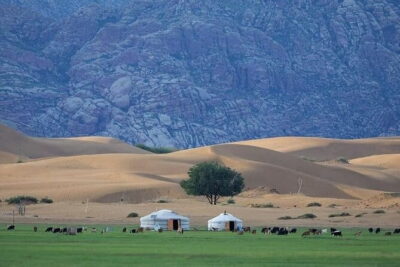
Semi-Gobi and Kharkhorum overnight private trip
Read our review →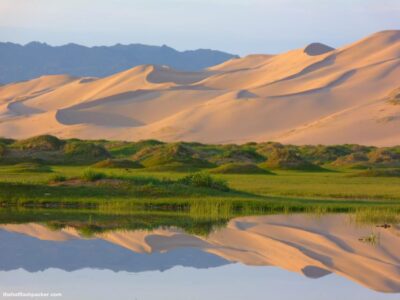
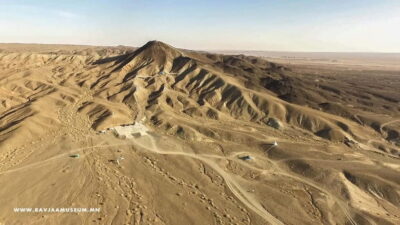
Travel to Gobi by train Visit World energy Center
Read our review →
1 Day Semi-Gobi Tour with Lunch And Enjoying Camel or Horseback
Read our review →Browse the lists this tour appears in